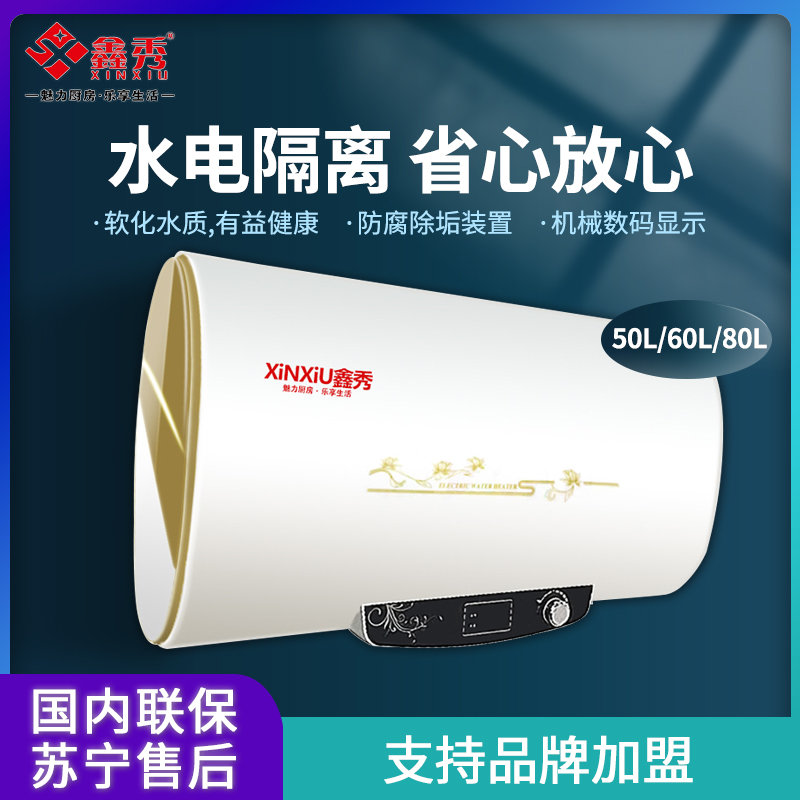
The Start of Winter has passed, signaling the arrival of colder weather, as temperatures have already dropped significantly. For many people, taking a cozy hot‑water bath is one of life’s greatest pleasures in cold winter, whether it is a shower or a soak in the bathtub — admittedly, bathing in a tub feels more relaxing, you may imagine that for yourself.
However, bathing in winter brings certain concerns. In summer, people usually take cool or luke‑warm showers. In winter, hot water has to be heated in advance. Frequent bathing means the electric water heater is either switched on and off repeatedly or kept powered on all the time. Many users have questions: What is the ideal hot‑water temperature? Should the power plug stay connected all the time? Shall we keep the water heater powered continuously? Today we will talk about key notes for using electric water heaters in winter.
1. Should you unplug the electric water heater in winter?
Many households keep the water‑heater plug connected all year round. This practice is inadvisable from both safety and power‑consumption perspectives. It is recommended to unplug the power plug once the water reaches the set temperature. Alternatively, install an independent dedicated switch for the water heater during home renovation for easier operation.
Temperatures are low in winter. Even with built‑in thermal insulation layers, the water temperature drops rapidly. When powered on, the unit will re‑heat automatically once water temperature falls below the set value. This repeated cycling consumes continuous electricity and raises household power bills.
2. What is the proper temperature setting?
There is no need to set the water‑heater temperature excessively high. When water temperature rises above 80 ℃, large amounts of steam will be generated, which may impair long‑term safe operation of the appliance. It is suggested to set the temperature around 65 ℃, with minor adjustments according to indoor temperature and the number of users.
3. Regular cleaning for the water heater
Many people may wonder whether water heaters require cleaning. In daily life, quite a few users never clean their water heaters. Think of ordinary kettles: limescale builds up after prolonged use. The same applies to water heaters. Thick limescale will accumulate on inner tank walls and heating tubes over time, especially on heating tubes. Without cleaning, heating time will be prolonged and more electricity will be consumed. Moreover, bathing with water contaminated by limescale may cause adverse effects on human health in the long run.
Therefore, regular cleaning of household water heaters is required. It is advisable to invite professional service technicians for cleaning work. They can also inspect other potential issues of the unit at the same time, achieving multiple benefits with one service.
Above are our tips for energy‑saving operation of electric water heaters in winter. Hope this content is helpful to you.